Authenticated Funding Channels Shaping Tactical Approaches in Licensed Mobile Reel and Table Games
Carlo Zimmermann · Aug 24, 2026
Authenticated Funding Channels Shaping Tactical Approaches in Licensed Mobile Reel and Table Games
Authenticated funding channels have become central to how players manage resources across mobile reel and table formats under established licensing frameworks. These routes require identity verification and transaction tracking that align with regulatory standards, allowing participants to maintain clearer records of deposits and withdrawals while operating within defined limits. Licensing bodies across multiple jurisdictions enforce these standards to ensure payment methods meet security protocols that support both operator compliance and player oversight.
Data from the Alcohol and Gaming Commission of Ontario shows increased adoption of verified e-wallets and bank-linked transfers in mobile environments during the first half of 2026, with figures indicating that such methods accounted for over 60 percent of deposits in regulated apps by August 2026. This shift enables players to plan session budgets more precisely because verified routes typically process faster and provide immediate confirmation of available balances.
Regulatory Requirements for Payment Verification
Licensing rules mandate that operators integrate payment systems capable of real-time authentication and fraud detection, which directly influences how funds move into and out of mobile platforms. Players encounter these requirements when selecting deposit methods that have already passed compliance checks, reducing delays and allowing focus on game selection rather than administrative hurdles. Observers note that this structure supports strategic allocation of bankrolls across reel spins and table rounds without repeated interruptions for manual reviews.
Verification processes often include document submission and account linkage that once completed remain active for subsequent sessions. Research from the Victorian Commission for Gambling and Liquor Regulation highlights that jurisdictions with streamlined verification see higher retention of verified accounts, as users experience fewer barriers when moving between slot sessions and live dealer tables on mobile devices.
Impact on Bankroll Management and Session Planning
Verified funding routes empower more deliberate play by supplying transaction histories that players can reference when adjusting bet sizes or switching between formats. In reel games, where volatility varies widely, access to instant balance updates helps users time their entries and exits according to pre-set targets. Table formats benefit similarly because players can monitor cumulative wagers across multiple hands of blackjack or spins of roulette without uncertainty about pending deposits.
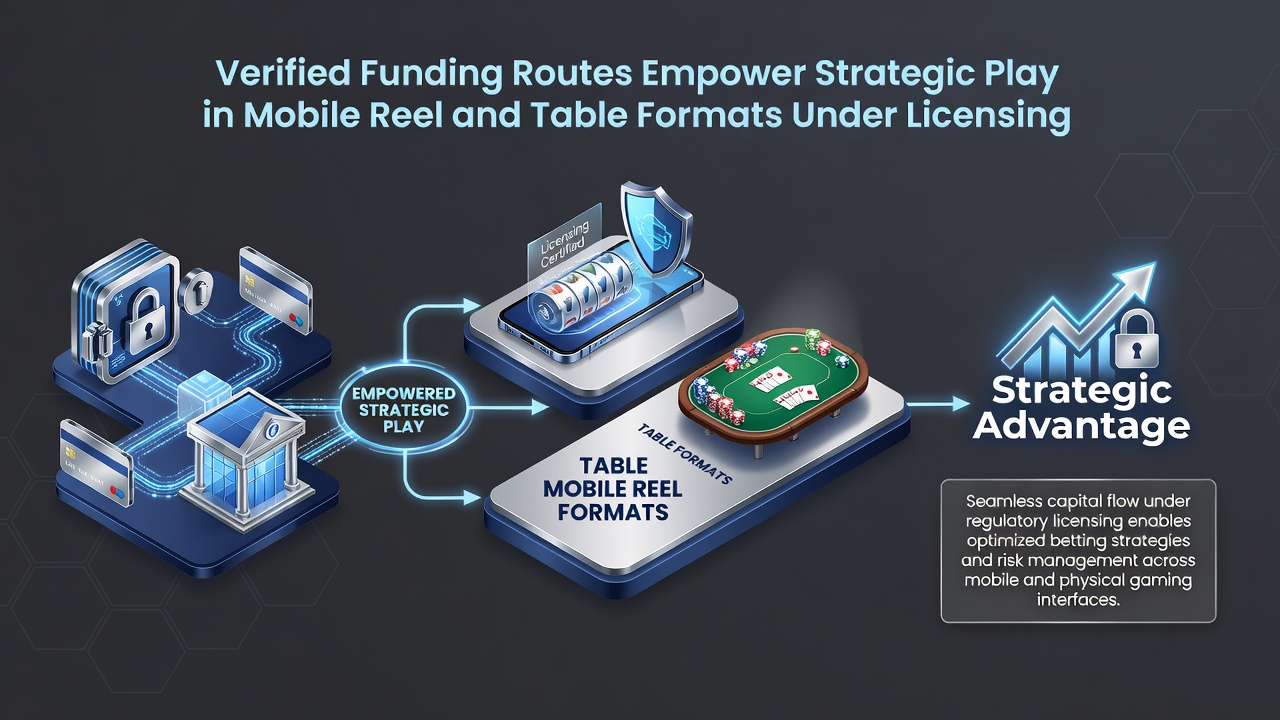
One study of regulated mobile markets revealed that users who rely on verified channels tend to set stricter loss thresholds and adhere to them more consistently. The transparency built into these routes reduces the likelihood of overspending because every transfer carries an auditable trail that aligns with responsible gaming tools embedded in licensed applications.
Cross-Format Advantages in Mobile Environments
Mobile reel and table offerings share the same funding infrastructure under most licensing regimes, yet the strategic implications differ based on game pace and payout structures. Verified deposits allow seamless transitions between high-frequency slot play and slower, decision-heavy table rounds because funds remain accessible without additional authentication steps after initial setup. Operators must maintain compatible systems that handle both formats under the same compliance umbrella, which creates consistency for users who alternate between the two.
Industry reports indicate that by August 2026, mobile apps incorporating unified verified payment layers recorded steadier engagement patterns across reel and table categories. This occurs because players can allocate portions of their bankroll to different game types in advance, using the same authenticated channel for each allocation.
Future Developments in Verified Transaction Standards
Regulatory updates scheduled for late 2026 aim to expand the range of accepted verified methods while tightening data protection requirements around mobile transactions. These changes will likely reinforce the advantages already observed in strategic play, as faster verification paired with stronger encryption supports longer, more controlled sessions. Licensing frameworks continue to evolve in response to technological advances in payment processing, ensuring that mobile reel and table formats remain accessible through secure, trackable routes.
Conclusion
Authenticated funding channels under licensing rules provide the structural support that enables calculated approaches to mobile reel and table gaming. By delivering reliable transaction records and rapid processing, these routes help players maintain control over resources across varied game formats. Continued regulatory attention to payment verification standards suggests that their role in strategic decision-making will expand as mobile platforms integrate newer technologies while remaining within established compliance boundaries.