From Reward Activation to Strategic Play: Incentive Mechanics in Licensed Mobile Environments
Casey Werner · Aug 21, 2026
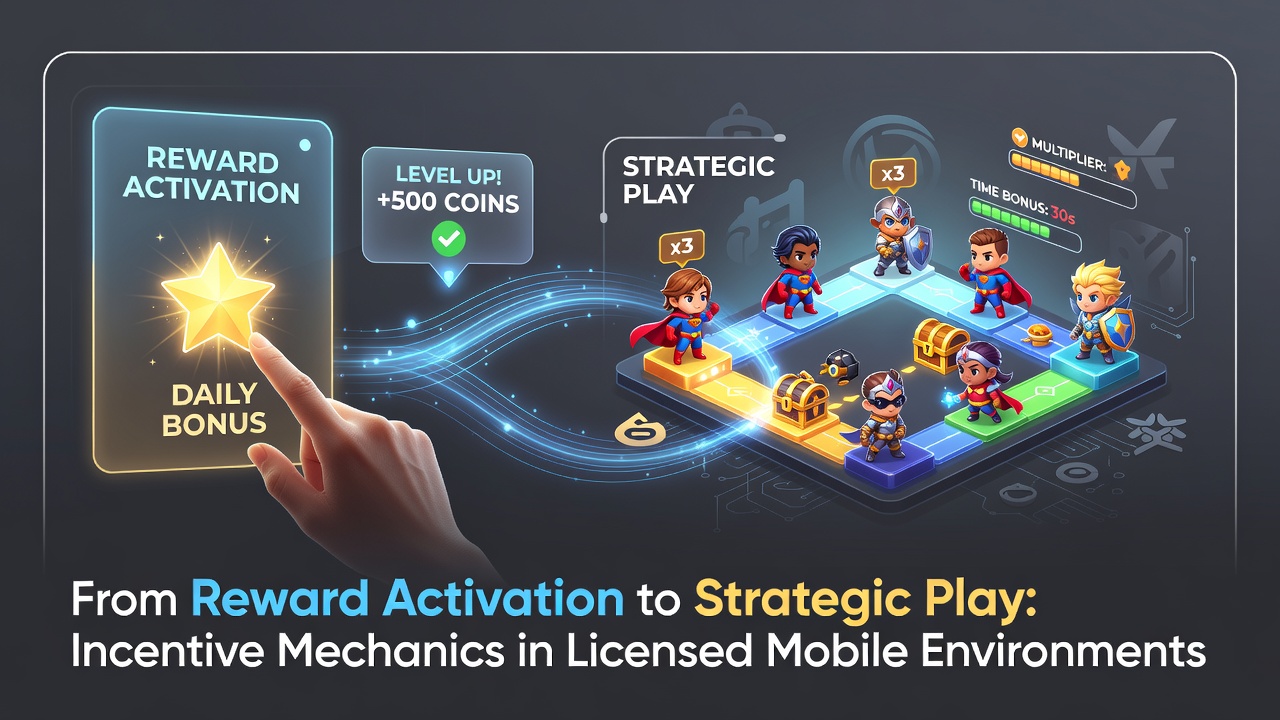
From Reward Activation to Strategic Play: Incentive Mechanics in Licensed Mobile Environments
License mobile environments operate under frameworks that require clear documentation of incentive structures from the moment a player registers an account through the full lifecycle of engagement and reward distribution, with regulators in multiple jurisdictions tracking how these systems influence player behavior and operator compliance.
Data from state-level oversight bodies in the United States indicate that mobile platforms have expanded reward activation sequences to include tiered welcome packages, daily login multipliers, and achievement-based unlocks that trigger automatically once predefined conditions such as minimum deposit amounts or session lengths are met, while operators must maintain audit trails that regulators can review on demand.
Activation Pathways and Compliance Standards
Operators design activation sequences so that players encounter the first reward notification within minutes of completing account verification, and these sequences incorporate mandatory disclosures about wagering requirements, expiration periods, and eligible game categories so that participants understand the conditions attached to each offer before any funds or credits are released.
Research conducted by academic teams at institutions tracking digital entertainment trends shows that activation rates increase when mobile interfaces present rewards through progressive visual cues such as progress bars and pop-up confirmations rather than static text alone, because these cues reduce friction during the initial interaction phase.
From Basic Rewards to Layered Incentive Systems
Once initial rewards activate, licensed platforms typically layer additional mechanics that include loyalty points earned per wager, milestone bonuses unlocked after cumulative play volume reaches set thresholds, and time-limited challenges that reset on weekly or monthly cycles, creating a continuous loop that encourages repeated sessions without violating responsible gaming parameters enforced by licensing authorities.
Figures released by the Nevada Gaming Control Board and comparable bodies in other regions reveal that mobile environments account for a growing share of total incentive redemptions, with players showing higher completion rates on challenges that combine multiple game types rather than single-title promotions alone.
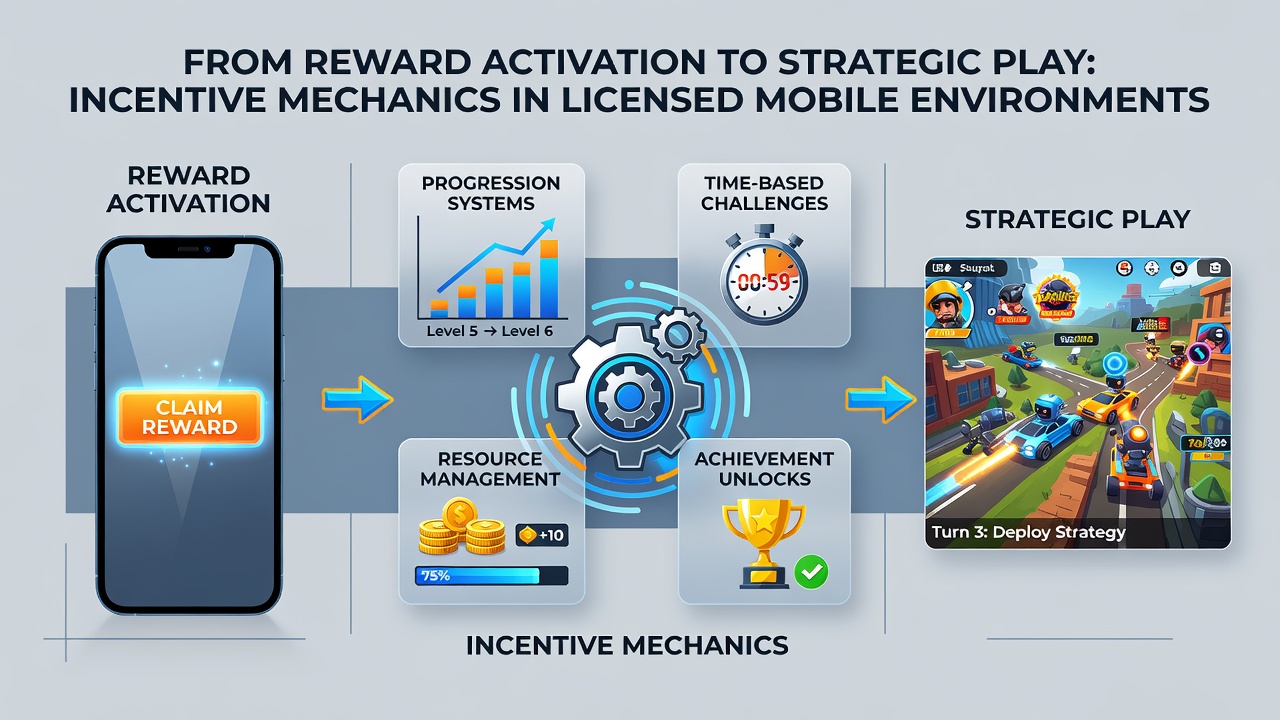
Strategic Player Behaviors in Regulated Settings
Observers note that experienced participants often map out incentive calendars in advance, aligning deposit timing with promotional windows and selecting games that contribute fully toward wagering requirements while minimizing variance exposure, and these patterns appear consistently across markets where real-time tracking tools allow players to monitor progress toward each target.
Industry reports from organizations such as the Canadian Gaming Association document that strategic use of incentives correlates with longer average session durations yet remains within boundaries set by session limit tools and reality-check prompts that licensed operators must provide under their regulatory obligations.
Regulatory Oversight and Data Tracking Through 2026
By August 2026 several licensing jurisdictions outside the United Kingdom had updated their reporting templates to require operators to submit granular breakdowns of incentive activation versus redemption rates, allowing regulators to identify patterns that might indicate over-reliance on certain reward types or demographic concentrations that warrant additional scrutiny.
Studies published in peer-reviewed journals on digital behavior economics highlight that transparent incentive mechanics tend to sustain player trust over extended periods because participants can calculate expected value before committing additional resources, whereas opaque systems show higher rates of early abandonment once initial rewards are exhausted.
Cross-Platform Integration and Future Mechanics
Mobile environments increasingly integrate incentive data across devices so that progress on one platform carries forward when a player switches to another registered device, and operators achieve this through centralized account systems that satisfy data-protection standards required by licensing conditions in the European Union and Australian states.
Trade associations representing gaming technology providers report ongoing development of predictive tools that adjust reward offers in real time based on individual play history, subject to pre-approval processes that ensure compliance with fairness and non-discrimination rules enforced by licensing bodies.
Conclusion
Licensed mobile environments continue to refine incentive mechanics by balancing activation speed with regulatory transparency and strategic depth for participants, while oversight agencies in multiple regions maintain data collection protocols that track both short-term engagement and longer-term outcomes associated with these systems.