Mapping Instant Deposit Pathways to Promotional Activation in App-Based Roulette and Blackjack Environments
Harper Lange · Nov 19, 2026
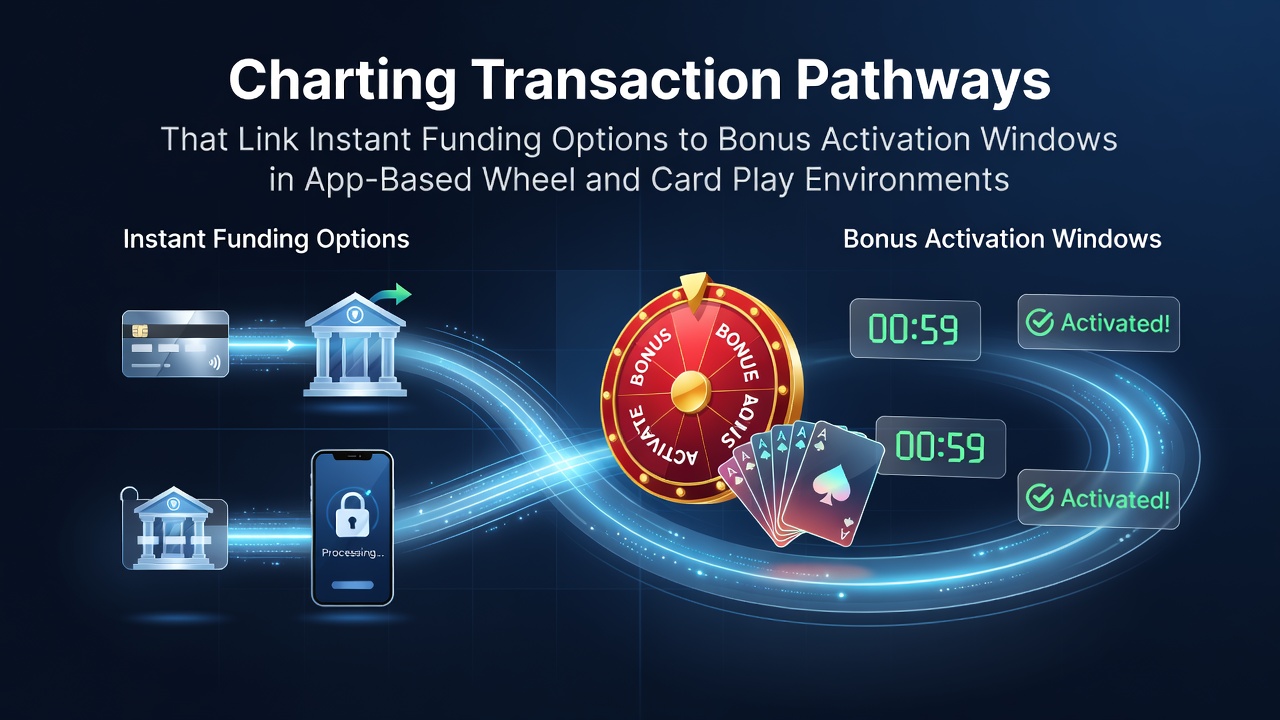
Mapping Instant Deposit Pathways to Promotional Activation in App-Based Roulette and Blackjack Environments
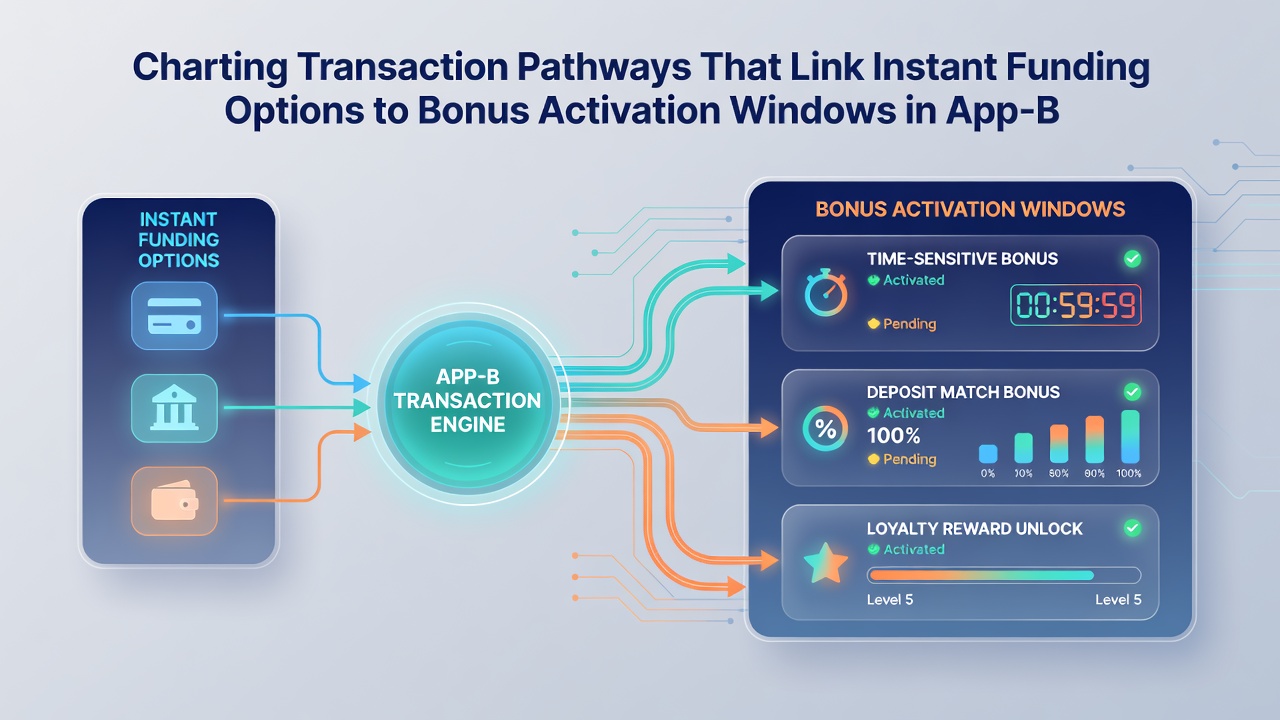
Transaction pathways in mobile gaming applications connect instant funding mechanisms directly to time-sensitive promotional windows that trigger bonus credits during wheel and card play sessions, and data from industry monitoring services shows these pathways rely on standardized API integrations between payment processors and game servers. Observers note that funding options such as e-wallets and instant bank transfers initiate a sequence where deposit confirmation feeds into backend ledgers, which then apply bonus multipliers or free spin allocations within defined activation periods that often span from thirty minutes to twenty-four hours after the initial transaction clears.
Core Components of Funding and Activation Sequences
Payment gateways in these environments process deposits through encrypted channels that transmit authorization codes back to the application layer, and once verification completes the system evaluates eligibility rules stored in player profiles to determine whether bonus activation windows open automatically or require manual opt-in steps. Research indicates that wheel-based games like roulette and card environments such as blackjack share similar routing logic yet differ in how bonus funds convert to in-game credits, with roulette pathways typically routing to bet multipliers while blackjack sequences allocate to hand-specific wager enhancements.
Studies conducted by academic researchers at institutions focused on digital transaction systems reveal that latency between deposit receipt and bonus credit posting averages under eight seconds in optimized applications, although network congestion during peak hours can extend this interval to forty-five seconds without interrupting the activation window itself. Those who track these metrics point out that developers embed timestamp markers at each node along the pathway, allowing audits to trace whether a bonus triggered inside its designated timeframe or fell outside due to processing delays.
Regional Regulatory Influences on Pathway Design
Regulatory frameworks in multiple jurisdictions shape how these transaction routes operate, and reports from the Nevada Gaming Control Board document requirements for real-time logging of every funding-to-bonus handoff to prevent discrepancies during player disputes. In contrast, oversight bodies in Australia have issued guidelines that emphasize consumer notification when activation windows near expiration, prompting application updates that display countdown timers tied directly to the deposit ledger entries.
One analysis from the University of Nevada, Las Vegas gaming research center examined data collected across 2025 and found that seamless integration between instant funding APIs and bonus engines reduced player drop-off rates by measurable margins during promotional periods, while separate findings from Canadian gaming laboratories highlighted the role of multi-factor authentication in maintaining pathway integrity without extending activation timelines.
Technical Integration in Wheel and Card Applications
Application developers embed conditional scripts that evaluate deposit amounts against bonus eligibility thresholds before routing funds into either the primary wallet or a segregated promotional balance, and this separation ensures that activation windows apply only to qualifying play types such as live dealer roulette or multiplayer blackjack tables. Experts have observed that some platforms introduce tiered windows where higher deposit values unlock extended activation periods, allowing players additional time to engage with wheel spins or card rounds before promotional credits expire.
November 2026 marks the scheduled rollout of updated interoperability standards across several major platforms, according to announcements from industry associations tracking mobile gaming infrastructure, and these standards aim to standardize timestamp protocols so that bonus activation windows align more precisely with deposit settlement events regardless of the underlying payment rail used.
Tracing Specific Pathway Examples
Consider one documented case where an e-wallet deposit of fifty units triggered an immediate ledger update that opened a six-hour bonus window for roulette bets, resulting in automatic credit allocation once the player entered the wheel interface within the allotted timeframe. Another instance tracked by monitoring services involved a bank transfer processed through an instant funding service that fed into blackjack table credits, with the activation window extending to the next calendar day because the deposit cleared after midnight in the player's registered time zone.
Industry reports compiled by the European Gaming and Betting Association show that such variations arise from differences in how regional banking hours intersect with application server clocks, and these reports emphasize the importance of synchronized timing mechanisms to prevent pathway mismatches that could void otherwise eligible bonus triggers.
Conclusion
Pathway mapping in these mobile environments continues to evolve as payment technologies and promotional structures align more closely, with evidence from regulatory filings and academic reviews demonstrating consistent improvements in the speed and reliability of funding-to-bonus handoffs. Observers note that continued refinement of these sequences supports smoother transitions between deposit actions and active play sessions across both wheel and card formats, while upcoming standard updates scheduled for late 2026 are expected to further reduce variability in activation timing across different jurisdictions and platforms.