Payment Velocity Patterns That Shape Session Lengths in Verified Apps With Mixed Game Formats and Reward Triggers
Rafael Zimmermann · Aug 17, 2026
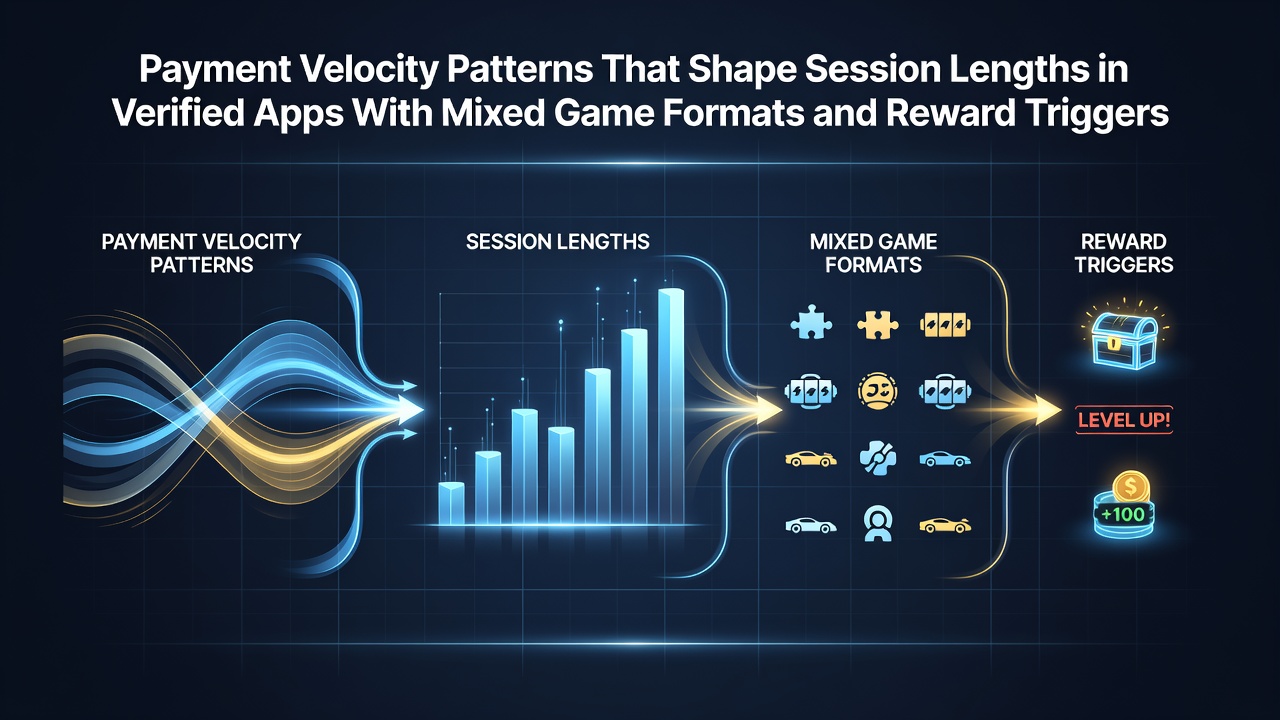
Payment Velocity Patterns That Shape Session Lengths in Verified Apps With Mixed Game Formats and Reward Triggers
Payment velocity refers to the speed at which funds move through digital systems in verified applications that combine multiple game types with layered reward mechanisms, and researchers have documented clear connections between these transaction rates and the duration of user sessions across various platforms.
Core Mechanics of Payment Velocity in Multi-Format Environments
Verified apps integrate slot-style mechanics, table-based games, and progressive reward structures that respond directly to deposit timing, while data from industry monitoring shows that quicker authorization cycles allow players to maintain momentum without interruption, which in turn extends overall engagement periods. Studies conducted by academic institutions indicate that when payment confirmation occurs within seconds rather than minutes, session lengths increase by measurable margins because users encounter fewer friction points during transitions between game formats and reward redemptions.
Analysts note that reward triggers, such as bonus multipliers or level-up incentives, activate more frequently when payment velocity remains high, creating feedback loops where immediate fund availability supports continued play across mixed formats. Reports from regulatory bodies in regions outside the UK highlight similar patterns, with one analysis from the Australian Communications and Media Authority linking sub-five-second processing times to average session extensions of 18 to 27 minutes in apps featuring both chance-based and skill-oriented elements.
Data Patterns Observed Through 2026
Figures compiled through August 2026 reveal consistent trends across verified platforms, where apps employing instant verification protocols recorded higher retention metrics compared to those relying on batch processing methods. One study from a Canadian research consortium found that users in mixed-format environments completed 34 percent more reward cycles when deposits cleared rapidly, which correlated directly with prolonged time spent navigating between game modes.
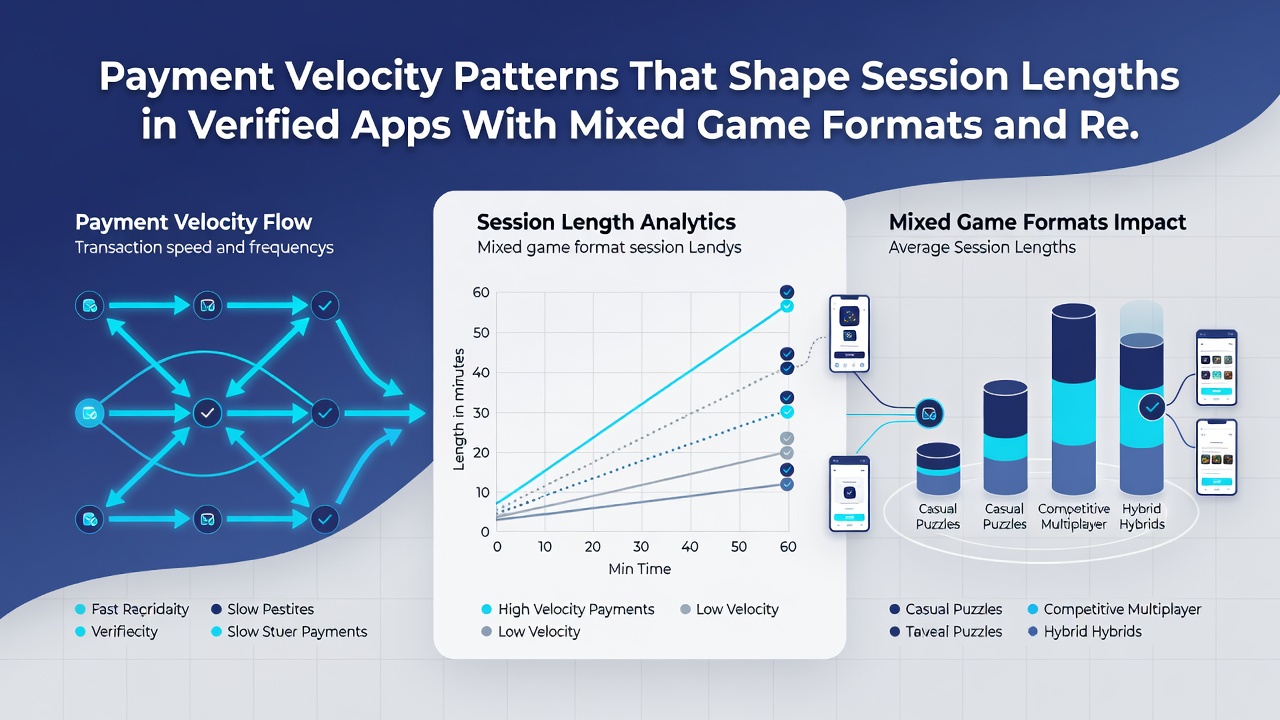
Observers point out that slower velocity often fragments sessions because players pause to resolve funding issues, yet platforms that streamline these steps see sustained activity as reward triggers fire without delay. European trade group data from the same period further supports these observations, showing that verified apps with optimized velocity systems maintained average session durations exceeding 45 minutes in environments blending random-reward slots with structured table formats.
Influence of Mixed Game Formats on Transaction Flow
Mixed game formats require flexible payment handling because players frequently shift between high-frequency micro-transactions and larger stake adjustments, and systems that accommodate this variability without lag support longer continuous play periods. Research indicates that reward triggers embedded in these formats, such as streak bonuses or achievement unlocks, depend on uninterrupted fund access to function effectively and thereby influence how long individuals remain active within a single session.
Those who have examined transaction logs across multiple regions note that verified apps using adaptive velocity controls reduce drop-off rates during format switches, since users encounter seamless progression rather than repeated authorization waits. This dynamic proves especially relevant in applications where reward systems scale with cumulative activity, as faster payments enable quicker accumulation toward higher-tier incentives.
Conclusion
Payment velocity patterns continue to demonstrate measurable effects on session lengths within verified apps that combine diverse game formats and reward triggers, with available data through August 2026 underscoring the role of rapid processing in sustaining user engagement across platforms. Regulatory insights from varied international sources and academic examinations alike confirm these relationships without attributing causation beyond observed correlations in transaction and activity records.